

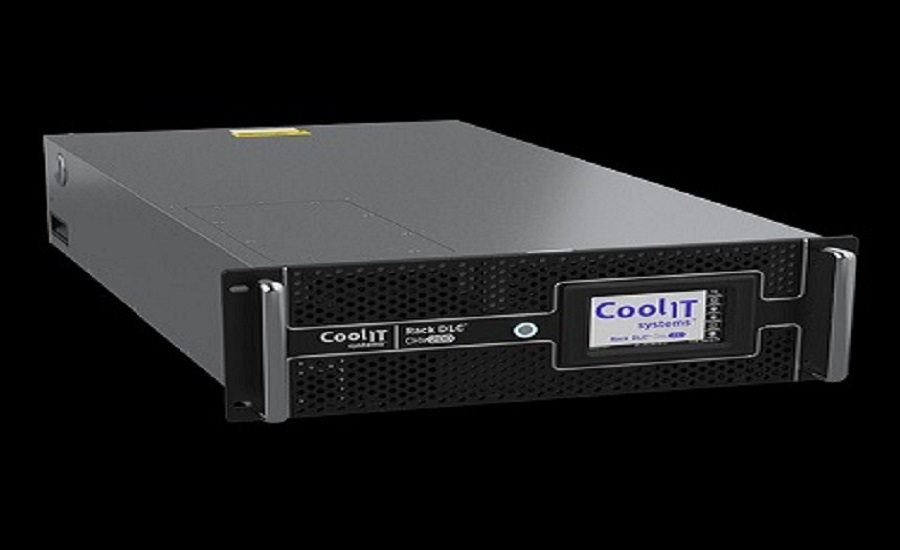
As global digital infrastructure continues to expand, data centers face increasing pressure to manage heat loads efficiently while maintaining performance and sustainability goals. Traditional air-based cooling systems are reaching their limits due to higher rack densities and rising energy demands. This is where DLC servers are transforming the landscape. By integrating liquid cooling closer to heat-generating components, organizations can significantly improve thermal efficiency while reducing operational costs and environmental impact.
Table of Contents
- The Evolution of Data Center Cooling Technologies
- Why DLC Servers Are Becoming Essential?
- Direct Liquid Cooling Technology and Its Role in Future Infrastructure
- How Liquid Cooling Supports Next-Generation Data Centers
- Operational Benefits of Advanced Server Cooling Solutions
- Sustainability and Environmental Impact
- Future Outlook of DLC Servers in Data Centers
- Conclusion
The Evolution of Data Center Cooling Technologies
Modern computing workloads such as AI, machine learning, and high-performance computing (HPC) are pushing thermal boundaries beyond what conventional cooling systems can handle. As a result, operators are shifting toward more efficient thermal management strategies across Canada.
From Air Cooling to Liquid-Based Systems
Earlier data centers primarily relied on airflow management and raised floors. However, increasing rack power densities have made air cooling less effective.
Today, liquid loop cooling systems are being deployed to directly absorb and transfer heat away from processors, memory modules, and GPUs. This shift enables better energy utilization and more stable system performance.
Why DLC Servers Are Becoming Essential?
By reducing dependency on large-scale air conditioning systems, DLC servers also help organizations optimize long-term operational costs. DLC servers are designed to address heat at its source, providing a more direct and efficient cooling method compared to traditional approaches. Instead of cooling the air around components, they use liquid to extract heat directly from high-performance chips.
Key Advantages of DLC Servers
- Improved thermal efficiency in high-density computing environments
- Reduced energy consumption compared to air-based systems
- Support for advanced AI and HPC workloads
- Lower operational strain on facility cooling infrastructure
Direct Liquid Cooling Technology and Its Role in Future Infrastructure
The adoption of direct liquid cooling technology is accelerating as organizations seek scalable and sustainable infrastructure solutions. This approach enables precise temperature control and improved system reliability.
How It Works in Practice
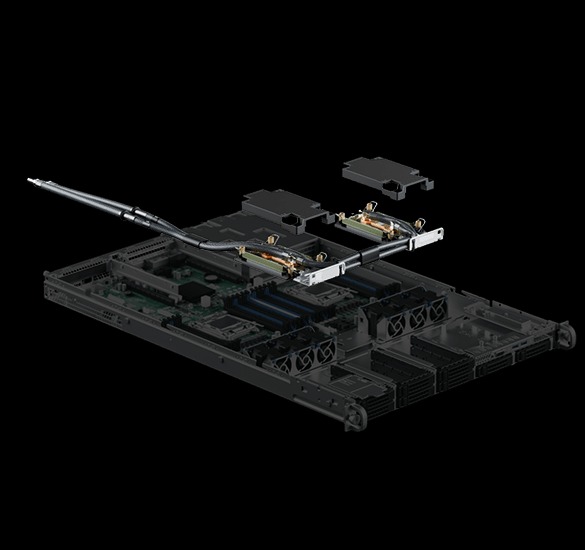
In direct liquid cooled servers, coolant is circulated through cold plates attached directly to processors. Heat is absorbed and transported away efficiently, maintaining optimal operating conditions even under heavy workloads.
This method significantly reduces thermal resistance and enhances system stability in comparison to traditional air-cooled environments.
How Liquid Cooling Supports Next-Generation Data Centers
Modern data centers must support rapidly increasing computational loads without compromising efficiency or uptime. Advanced cooling methods are therefore becoming critical to infrastructure planning.
Enabling High-Density Deployments
One of the biggest advantages of direct liquid cooled servers is their ability to support high-density rack configurations. This allows operators to maximize compute performance per square foot of data center space.
Enhancing Energy Efficiency
By reducing reliance on large HVAC systems, liquid cooling can significantly improve Power Usage Effectiveness (PUE). This aligns with global sustainability goals and helps organizations reduce carbon footprints.
Supporting AI and HPC Workloads
AI training clusters and HPC environments generate extreme heat loads. Direct liquid cooled servers offer a stable thermal environment that ensures consistent performance during intensive workloads.
By integrating modular cooling designs, CoolIT Systems helps operators transition from legacy air cooling to more advanced liquid-based infrastructure without compromising reliability or uptime.
Operational Benefits of Advanced Server Cooling Solutions
Modern advanced server cooling solutions are not just about temperature control; they are about enabling long-term infrastructure efficiency and scalability.
Improved Reliability and Uptime
Maintaining stable thermal conditions reduces hardware stress and improves overall system longevity.
Reduced Infrastructure Costs
Efficient cooling systems minimize the need for large-scale HVAC investments and ongoing energy consumption.
Scalability for Future Growth
As workloads grow, DLC servers provide a flexible foundation for expansion without requiring complete infrastructure redesigns.
Sustainability and Environmental Impact
Data centers are under increasing pressure to reduce environmental impact. Liquid-based systems play a key role in achieving sustainability goals. By adopting direct liquid cooling technology, organizations can reduce energy waste and optimize resource usage. This shift supports greener operations and aligns with global carbon reduction initiatives.
Future Outlook of DLC Servers in Data Centers
The future of data center cooling is closely tied to the evolution of compute-intensive applications. As AI, cloud computing, and edge infrastructure continue to expand, direct liquid cooled servers will become increasingly important. Innovations from companies like CoolIT Systems are expected to drive further adoption by improving efficiency, modularity, and ease of integration.
Frequently Asked Questions
What are DLC servers used for in modern data centers?
DLC servers are used to efficiently manage heat in high-performance environments by directly cooling processors and critical components using liquid-based systems.
How do direct liquid cooled servers differ from air cooling systems?
Unlike air cooling, direct liquid cooled servers use liquid to absorb heat directly from components, offering higher efficiency and better thermal control in industrial equipment.
Are DLC servers suitable for AI workloads?
Yes, DLC servers are highly suitable for AI and HPC workloads due to their ability to manage high heat densities effectively.
What is the role of liquid loop cooling systems in data centers?
Liquid loop cooling systems circulate coolant through servers to absorb and remove heat efficiently, improving overall system performance and stability.
Why are companies adopting advanced server cooling solutions?
Organizations adopt advanced server cooling solutions to reduce energy consumption, improve scalability, and support sustainable infrastructure growth.
Conclusion
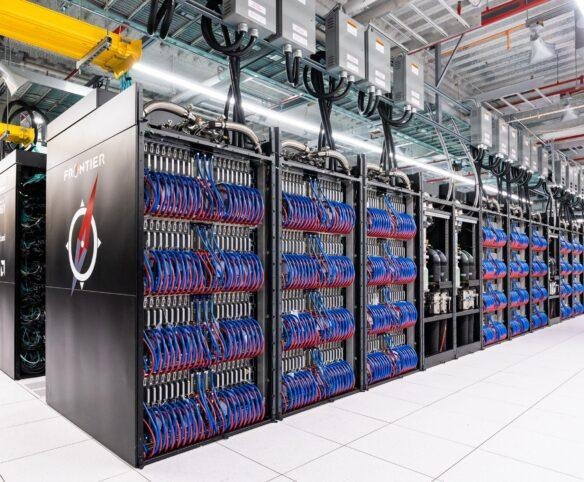
As data centers continue evolving to support AI-driven workloads and high-density computing, thermal management becomes a critical design factor. Direct liquid cooled servers are emerging as a key solution for achieving efficiency, scalability, and sustainability in modern infrastructure. Looking to understand how DLC servers can support the future of high-density computing environments? Visit our location and take the next step toward a cooler, more efficient, and future-ready data center.