


- Start With What You Already Have
- The Two Vaccines That Come First for Every Cat
- Kittens vs Adult Cats: The Schedule Looks Different
- The Lifestyle Vaccines Worth Discussing at the First Visit
- What the First Vet Visit Actually Covers Beyond Vaccines
- What to Bring to the First Appointment
- FAQs
- My newly adopted cat already had vaccines at the shelter. Do they need more?
- Can I wait a few weeks before taking my newly adopted cat to the vet?
- My cat is strictly indoor. Do they really need rabies vaccination in Encino?
- How many vet visits will my kitten need in the first few months?
- What if my newly adopted cat is very anxious about the vet?
- The First Vaccine Visit Sets the Tone for Everything That Follows
Bringing home a new cat is exciting. There is so much to figure out in the first few days, from setting up a safe space and introducing them to the household, to figuring out feeding routines and litter box placement. Somewhere in the middle of all of that, the vaccine question arrives. The shelter may have given your cat some vaccines before you took them home. Or they may have handed you a record with a list of things still due. Or you may have adopted from a private owner with no records at all and genuinely no idea where things stand.
Whatever situation you are starting from, the first vet visit is the right place to get clarity. Not because vaccines are the only thing that matters at that appointment, but because getting the vaccine conversation right early sets your cat up for consistent, appropriate protection through the rest of their life.
This guide covers which vaccines come first for a newly adopted cat in Encino, what the process looks like depending on where your cat is starting from, and what to expect at that first appointment. For new cat owners ready to get started, finding a cat vaccine hospital in Encino that takes the time to build an individualized schedule rather than applying a blanket protocol is the right first step.
Start With What You Already Have
Before your cat’s first vet visit, gather whatever records came with them. This sounds obvious but it is something a lot of new owners skip, either because the paperwork got buried in the excitement of bringing the cat home or because they assumed the vet would just start fresh regardless.
The records matter because they tell the vet what your cat has already received and what is still needed. A cat who received their first FVRCP dose at the shelter two weeks ago is in a different position from one who has never been vaccinated. A cat with a documented rabies vaccine on a one-year product given four months ago is different from one whose rabies status is completely unknown.
If you have no records at all, that is fine. The vet will work with what they have. But partial records are always more useful than none, so bring whatever you were given even if it looks incomplete or unclear.
The Two Vaccines That Come First for Every Cat
Regardless of where your newly adopted cat is coming from, two vaccines apply to virtually every cat and are the starting point for any new vaccination schedule.
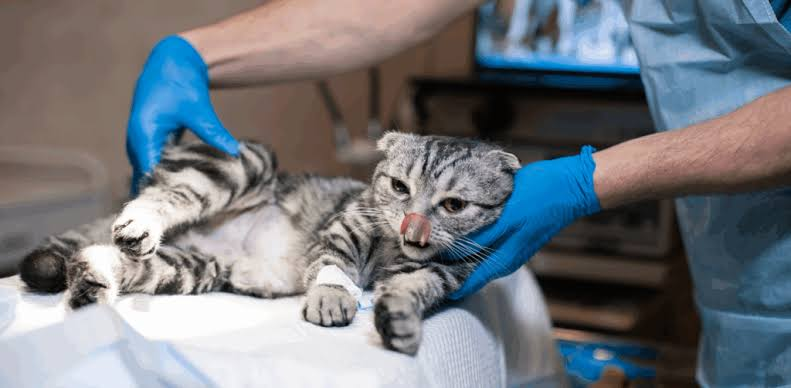
The first is FVRCP. This combination vaccine covers three diseases in one shot. Feline viral rhinotracheitis, calicivirus, and panleukopenia. All three are common, all three spread easily between cats, and panleukopenia in particular is serious enough that it can be fatal in unvaccinated cats. FVRCP is the core of cat vaccination and applies to indoor and outdoor cats alike.
The second is rabies. California law requires rabies vaccination for all cats over four months of age. This applies regardless of whether your cat goes outside, regardless of whether they are a kitten or an adult, and regardless of any other health considerations. A licensed veterinarian must administer the vaccine and issue a certificate registered with the county. There are no exemptions based on indoor-only lifestyle.
These two vaccines are the non-negotiables. Everything else in the vaccine conversation builds on top of them and depends on your cat’s specific situation.
Kittens vs Adult Cats: The Schedule Looks Different
How the first vaccine visit unfolds depends significantly on whether you have adopted a kitten or an adult cat, and it is worth understanding the difference before you go in.
If your new cat is a kitten, meaning under six months old, the vaccine schedule involves a series of visits rather than a single appointment. Kittens receive FVRCP boosters every three to four weeks starting at six to eight weeks of age, continuing until they are around sixteen weeks old. This series exists because of maternal immunity, the protection passed from the mother that gradually wanes and can interfere with vaccine effectiveness if the timing is off. Completing the full series ensures at least one dose lands during the window where the kitten can respond to it properly.
A kitten who came from a shelter may have already received one or two doses of the series. The vet picks up where the records show things left off rather than starting over, as long as the timing between doses has been appropriate.
If your new cat is an adult whose vaccine history is unknown, the approach is slightly different. Most vets in this situation will administer a FVRCP booster and a rabies vaccine at the first visit, then give a second FVRCP booster three to four weeks later to ensure adequate protection is established. After that the cat moves onto a standard adult schedule with boosters every one to three years depending on the specific vaccine.

Call (818) 922-2209 or visit encinopethospital.com/vaccinations to book your newly adopted cat’s first appointment.
The Lifestyle Vaccines Worth Discussing at the First Visit
Beyond the core vaccines, there are additional vaccines that may or may not be appropriate for your cat depending on their specific circumstances. The first vet visit is the right time to have this conversation rather than assuming the same protocol applies to every cat.
FeLV, the feline leukemia virus vaccine, is the most commonly discussed lifestyle vaccine for cats. It is strongly recommended for any cat with outdoor access or any cat who lives with other cats whose vaccination and health status is unknown. For a strictly indoor-only cat in a single-cat household with no plans to introduce other animals, many vets consider it optional. But for a newly adopted cat whose prior living situation involved outdoor access or contact with other cats, starting FeLV vaccination is a reasonable precaution until their exposure history becomes clearer.
Bordetella, the vaccine that covers one of the main causes of cat upper respiratory infection, is worth discussing for cats who will be boarded, groomed, or who will have regular contact with cats outside the household. It is not universally required but is a sensible addition for cats with that kind of social exposure.
The vet will ask about your cat’s living situation, whether they will go outside, whether other pets are in the household, and what their plans are for boarding or travel. These answers shape which lifestyle vaccines make sense for your specific cat rather than a one-size-fits-all recommendation.
What the First Vet Visit Actually Covers Beyond Vaccines
The first visit after adopting a cat is more than a vaccine appointment, and knowing what else happens during it helps you prepare and get the most out of the time.
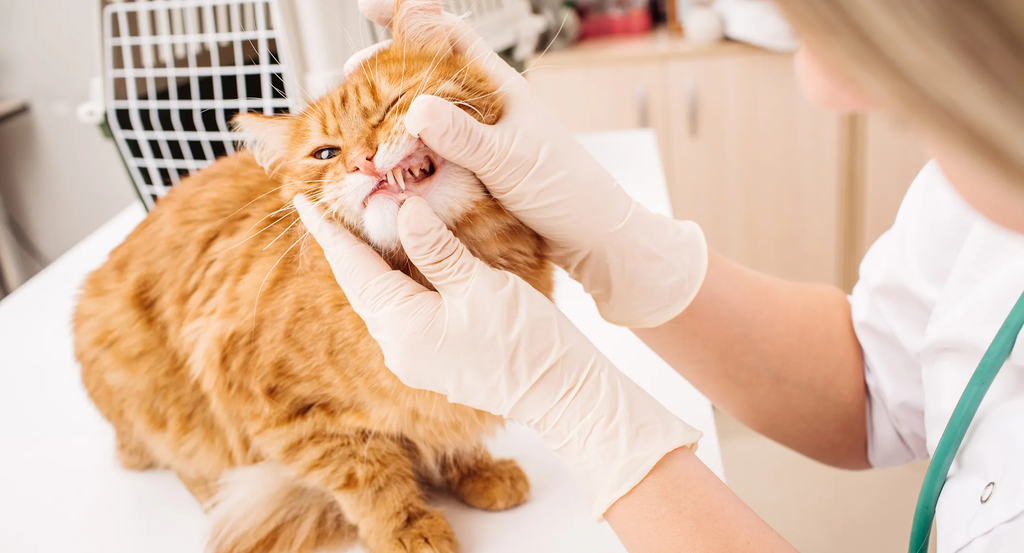
A thorough physical examination is the foundation of the visit. The vet checks your cat from nose to tail, including eyes, ears, teeth and gums, heart and lung sounds, abdominal palpation, skin and coat condition, and weight. This baseline examination catches things that may not have been identified before adoption, including dental disease, heart murmurs, ear mites, intestinal parasites, and early signs of upper respiratory infection.
A fecal test to check for intestinal parasites is standard at a first visit, and deworming is often given regardless of results because parasites are so common in cats coming from shelter or multi-cat environments.
The vet will also ask about your cat’s behavior at home so far, their appetite, litter box habits, and how they are adjusting to the new environment. This information helps identify anything worth monitoring and opens the conversation about spay or neuter if your cat has not already been sterilized.
What to Bring to the First Appointment
Being prepared for the first visit makes the appointment more efficient and more useful. Here is what is worth having ready:
- Any vaccine or medical records that came with your cat, even if incomplete
- The name of the shelter or rescue your cat came from so the vet can request records directly if needed
- A note of any behavioral changes or symptoms you have noticed since bringing your cat home
- Your cat in a secure carrier with a familiar blanket inside to reduce travel stress
Arriving a few minutes early for a new patient appointment gives the front desk time to set up the file and means your cat spends less time waiting in a carrier in an unfamiliar environment.
Encino Pet Hospital and Emergency welcomes newly adopted cats and their owners seven days a week including holidays. The team builds individualized vaccine schedules based on each cat’s age, history, and lifestyle rather than applying the same protocol to every patient.
FAQs
My newly adopted cat already had vaccines at the shelter. Do they need more?
It depends on which vaccines they received and when. Bring the shelter records to the first vet visit and the vet will advise on what is still needed based on what has already been given and the timing between doses.
Can I wait a few weeks before taking my newly adopted cat to the vet?
Getting your cat seen within the first week or two is worth prioritizing. The first visit catches health issues that may not be obvious at adoption and establishes the vaccine schedule before any gap in protection develops.
My cat is strictly indoor. Do they really need rabies vaccination in Encino?
Yes. California law requires rabies vaccination for all cats over four months of age regardless of indoor or outdoor status. There are no exceptions for indoor-only cats.
How many vet visits will my kitten need in the first few months?
Most kittens need three to four visits between six and sixteen weeks of age to complete the core vaccine series. After that, a one-year booster visit and then an annual or biannual adult schedule follows.
What if my newly adopted cat is very anxious about the vet?
Let the clinic know when you book. A fear-free certified practice uses specific handling techniques and environmental design to reduce stress for anxious cats. Pre-visit medication is also available for cats with significant anxiety and can make the first visit considerably more manageable.
The First Vaccine Visit Sets the Tone for Everything That Follows
Getting vaccines right from the start is one of the most practical things you can do for a newly adopted cat. It establishes protection early, gives the vet a baseline to work from, and starts a relationship with a practice that will be part of your cat’s life for years to come.