
Timber cladding, also known as cladding wood, has gained significant popularity in modern architecture and home design. Its versatility, aesthetic appeal, and environmental benefits make it an excellent choice for both residential and commercial buildings. In this comprehensive article, we will explore the many compelling reasons why you should consider timber cladding for your next building project.
Table of Contents
Aesthetic Appeal of Timber Cladding
Natural Beauty and Warmth
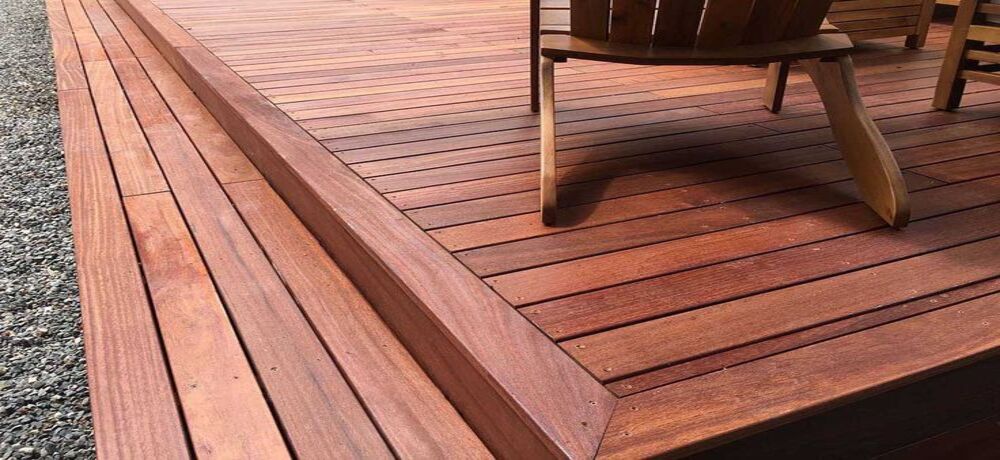
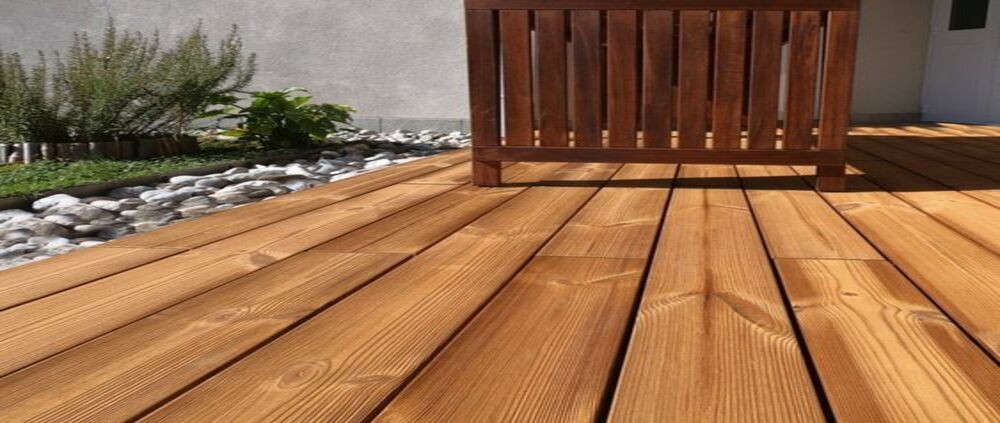
Timber cladding brings a unique natural beauty and warmth that other materials cannot match. The rich textures and colors of wood create an inviting and cozy atmosphere, enhancing the overall appeal of any building. Whether you choose cedar, oak, larch, or any other type of wood, each offers its distinct charm and character.
Versatility in Design
One of the standout features of timber cladding is its versatility. It can be used in a variety of architectural styles, from traditional to contemporary. This flexibility allows architects and designers to get creative, using timber to create striking facades, accent walls, and other unique design elements.
Customization Options
Timber cladding is available in various profiles, finishes, and treatments, allowing for extensive customization. You can choose from different textures, such as smooth or rough-sawn, and a range of finishes, including stained, painted, or natural. This adaptability ensures that timber cladding can meet the specific aesthetic needs of any project.
Environmental Benefits
Sustainability
Timber is a renewable resource, making it an environmentally friendly choice for cladding. When sourced responsibly from well-managed forests, timber production has a minimal environmental impact. Many timber suppliers adhere to strict sustainability standards, ensuring that the wood used in cladding is harvested in an ecologically responsible manner.
Carbon Footprint Reduction
Timber cladding can contribute to reducing the carbon footprint of a building. Wood is a natural carbon sink, meaning it absorbs and stores carbon dioxide from the atmosphere. By using timber cladding, you are effectively locking away carbon in your building’s structure, which helps combat climate change.
Energy Efficiency
Timber cladding offers excellent thermal insulation properties, helping to maintain a stable indoor temperature. This energy efficiency reduces the need for artificial heating and cooling, leading to lower energy consumption and reduced greenhouse gas emissions.
Durability and Longevity
Weather Resistance
When properly treated and maintained, timber cladding is highly durable and resistant to various weather conditions. Modern treatments can protect the wood from moisture, UV rays, and insect damage, ensuring that it remains in good condition for many years.
Longevity with Proper Maintenance
With regular maintenance, such as resealing or repainting, timber cladding can last for decades. This longevity makes it a cost-effective investment in the long run, as it reduces the need for frequent replacements and repairs.
Cost-Effectiveness
Competitive Pricing
Timber cladding is often more affordable than other cladding materials like stone or metal. The cost of timber can vary depending on the type of wood and treatment used, but generally, it offers a competitive price point for high-quality cladding.
Ease of Installation
Timber cladding is relatively easy to install, which can reduce labor costs and shorten construction timelines. Its lightweight nature compared to other materials makes handling and installation simpler, further contributing to cost savings.
Acoustic Insulation
Noise Reduction
Wood is a natural sound insulator, which can significantly reduce noise transmission from the outside environment. Timber cladding is especially beneficial in urban areas or near busy roads, where it can help create a quieter and more peaceful indoor environment.
Enhanced Privacy
The acoustic properties of timber cladding also enhance privacy within a building. Minimizing sound transmission ensures that conversations and activities inside the building remain private and undisturbed by external noise.
Health and Well-being
Biophilic Design
Timber cladding supports the principles of biophilic design, which emphasizes the connection between humans and nature. The presence of natural materials like wood in the built environment has been shown to improve mental health and well-being, reduce stress, and increase overall satisfaction and productivity.
Indoor Air Quality
Timber cladding can also improve indoor air quality. Wood has natural humidity-regulating properties, which help maintain a healthy indoor environment by absorbing excess moisture and releasing it when the air is dry. This balance helps prevent issues like mold growth and dry air, contributing to a healthier living or working space.
Flexibility and Adaptability
Renovation and Retrofitting
Timber cladding is an excellent choice for both new constructions and renovations. It can be easily retrofitted onto existing buildings to update their appearance and performance. This adaptability makes it a versatile option for a wide range of projects, from small residential updates to large commercial refurbishments.
Blending with Other Materials
Timber cladding can be seamlessly combined with other materials, such as stone, brick, or metal, to create unique and visually appealing designs. This ability to blend with different materials allows for greater creative freedom and the opportunity to achieve a distinctive architectural style.
Regulatory Compliance
Building Standards and Certifications
Many timber cladding products meet stringent building standards and certifications, ensuring they are safe, durable, and environmentally friendly. Certifications like FSC (Forest Stewardship Council) and PEFC (Programme for the Endorsement of Forest Certification) assure that the timber has been sourced responsibly and meets high quality and sustainability criteria.
Fire Resistance
Modern treatments and technologies have significantly improved the fire resistance of timber cladding. Fire-retardant treatments and design innovations ensure that timber cladding can meet building code requirements for fire safety, making it a viable option even in areas with strict fire regulations.
Conclusion
Timber cladding offers a multitude of benefits that make it an attractive option for any building project. Its natural beauty, environmental sustainability, durability, and cost-effectiveness, combined with its versatility in design and ease of installation, make it a superior choice over other cladding materials. By choosing timber cladding, you not only enhance the aesthetic appeal of your building but also contribute to a more sustainable and healthier environment.
For those seeking a high-quality, versatile, and environmentally friendly cladding solution, cladding wood is an excellent investment that delivers both immediate and long-term benefits. Whether for residential or commercial use, timber cladding is a compelling choice that stands the test of time.