
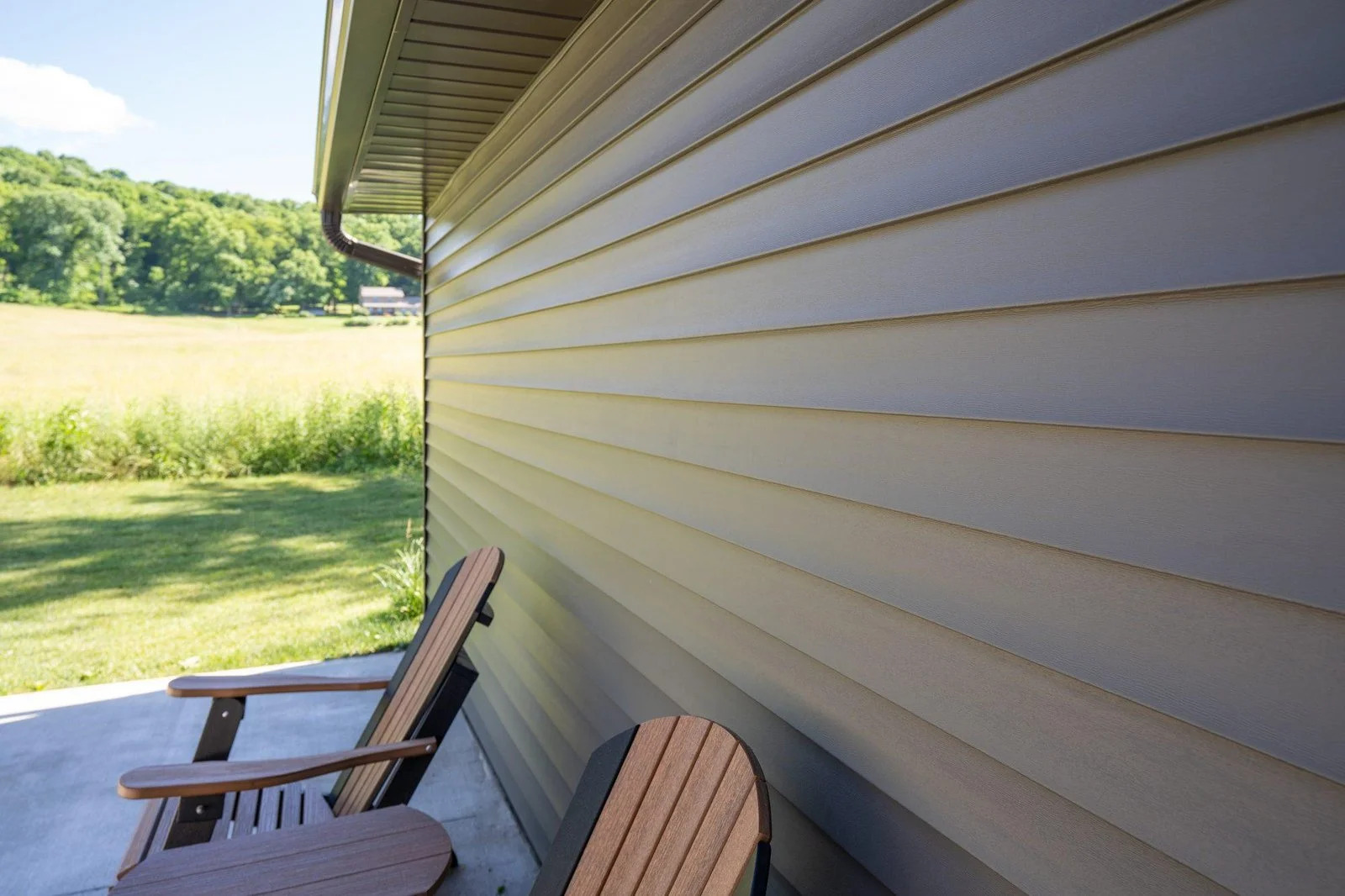
Replacing worn or damaged siding can improve a home’s appearance, weather resistance, energy performance, and long-term value, but the exterior surface may conceal moisture damage, wood rot, pest activity, deteriorated sheathing, or poor flashing. These hidden problems can affect the budget, timeline, and scope of work, so arranging a detailed inspection before siding replacement begins helps homeowners prepare for possible repairs, discuss contingencies with the contractor, and make informed project decisions.
Table of Contents
- Why Hidden Exterior Problems Matter
- Warning Signs That Require Closer Inspection
- Common Problems Hidden Behind Old Siding
- How to Prepare for Siding Replacement
- Selecting Materials for Austin Conditions
- Installation Details That Help Prevent Future Problems
- Questions to Ask a Siding Contractor
- Frequently Asked Questions
- 1. How can hidden damage be found before siding is removed?
- 2. Should rotten wood always be replaced?
- 3. Can new siding be installed over old siding?
- 4. How long does residential siding work take?
- 5. Is fiber cement suitable for Austin homes?
- 6. Does replacing siding solve water leaks?
- 7. What should a siding warranty cover?
- 8. How should homeowners compare siding estimates?
- Frequently Asked Questions
- Conclusion
Why Hidden Exterior Problems Matter
Siding acts as the visible protective layer of a home, but it works alongside sheathing, a water-resistive barrier, flashing, insulation, framing, caulking, and ventilation components. If one part of this system fails, damage can spread behind the cladding without producing immediate warning signs.
Installing new material over an unresolved defect may trap moisture or conceal weakened wood. The exterior can look finished while the underlying problem continues to grow. This can shorten the service life of the new siding and lead to additional repairs later.
A detailed inspection helps identify these conditions before the project scope and budget are finalized. It also gives the contractor an opportunity to choose repairs that support the manufacturer’s installation requirements.
Warning Signs That Require Closer Inspection
Some exterior symptoms indicate that damage may extend beneath the siding. Homeowners should arrange a professional assessment when they notice:
- Soft, swollen, cracked, or warped boards
- Paint that repeatedly bubbles, peels, or stains
- Dark marks around windows, doors, and wall penetrations
- Loose panels or widening seams
- Musty odors near exterior walls
- Interior paint or drywall damage
- Unexplained insect activity
- Uneven wall surfaces
- Increasing indoor temperature fluctuations
- Caulking that frequently separates from joints
These signs do not confirm structural damage by themselves. However, they can help an experienced contractor determine which areas need closer evaluation before siding replacement company in Austin begins.
Common Problems Hidden Behind Old Siding
Moisture-Damaged Sheathing
Sheathing provides a stable surface beneath the exterior cladding. Water entering through failed joints, damaged flashing, or unsealed penetrations can cause wood-based sheathing to swell, soften, or deteriorate.
Damaged sheathing may no longer hold fasteners securely. Installing new siding over it can result in movement, loose boards, and uneven surfaces. A contractor should examine exposed sheathing and replace affected sections with compatible materials before continuing.
Rotten or Weakened Framing
Long-term water exposure may reach wall studs, sill plates, or other framing components. Discoloration alone does not always indicate serious decay, but soft or crumbling wood requires proper attention.
The extent of deterioration should be assessed after the old cladding is removed. Repairs involving structural framing may require additional expertise and must follow applicable building requirements. Homeowners should ask how concealed framing damage will be documented, priced, and repaired.
Missing or Damaged Water-Resistive Barriers
Exterior cladding is not designed to act as the wall’s only defense against water. James Hardie notes that no exterior cladding can prevent all water intrusion, which is why a properly integrated weather barrier and flashing system is important. According to James Hardie’s moisture-management guidance, a properly integrated weather barrier and flashing system helps direct incidental moisture away from vulnerable areas.
An older home may have torn building paper, poorly lapped house wrap, or sections with no effective barrier. Correct these defects before installing new siding.
Incorrect Flashing Around Openings
Windows and doors are common water-entry points. Flashing should be installed in a layered arrangement that directs water toward the exterior rather than into the wall.
Hidden problems may include reverse laps, missing head flashing, unsealed corners, or flashing that ends behind the weather barrier. Simply applying more caulk is not a reliable substitute for a properly integrated drainage system.
Pest and Insect Damage
Termites, carpenter ants, and other pests may enter through damp wood or unsealed gaps. Their activity can remain unnoticed behind exterior boards for an extended period.
If workers discover channels, nesting material, damaged wood, or active insects, the affected area should be evaluated before it is enclosed again. Pest treatment and moisture correction may both be necessary because replacing damaged material alone may not prevent the problem from returning.
Insulation and Air-Sealing Deficiencies
Removing old siding can expose air leaks around wall penetrations, windows, utility lines, and junctions. Gaps in these locations may affect indoor comfort and allow moisture-laden air to enter wall cavities.
These openings should be sealed with suitable materials without blocking designed drainage or ventilation paths. Any insulation improvements must remain compatible with the wall assembly.
How to Prepare for Siding Replacement
Request a Detailed Exterior Assessment
A reliable assessment should examine more than color fading and surface wear. The contractor should evaluate walls, trim, soffits, fascia, windows, doors, roof-to-wall connections, utility penetrations, and areas close to the ground.
The written proposal should explain what is included and identify conditions that cannot be confirmed until removal begins. A professional siding replacement in Austin should also explain how concealed damage will be documented and reported.
Understand the Estimate
A complete estimate should clearly identify:
- The siding product and profile
- Approximate wall measurements
- Removal and disposal of existing material
- Weather-barrier requirements
- Flashing and trim details
- Fasteners and sealants
- Painting or factory-finished surfaces
- Cleanup procedures
- Manufacturer and workmanship warranties
- Procedures for approving additional work
Genuine Texas Exteriors states that it uses detailed wall measurements to help establish the scope of a project and provides professional siding services across the Austin area. Its service information also identifies James Hardie fiber cement as an available exterior option.
Establish a Concealed-Damage Process
Before siding work begins in Austin, TX, ask what will happen if crews uncover rot, mold-like growth, pest damage, or unsafe electrical conditions. The agreement should explain who will inspect the issue, how it will be documented, and whether work will pause until authorization is received.
Photographs allow homeowners to review hidden damage before it is repaired or covered. Written change orders also create a clear record of the additional materials, labor, costs, and approved changes associated with the project.
Selecting Materials for Austin Conditions
Material selection should reflect the home’s exposure, architectural design, maintenance expectations, and wall construction. Appearance is important, but it should not be the only consideration.
Fiber Cement Siding
Fiber cement is commonly selected for its dimensional stability, durability, and range of profiles. Genuine Texas Exteriors provides James Hardie fiber cement siding for residential exterior projects. Correct cutting, fastening, clearance, flashing, joint treatment, and finishing remain essential to product performance.
Color and Heat Exposure
Dark surfaces can absorb more solar energy than lighter colors. On walls receiving prolonged afternoon sun, color selection may influence surface temperature and maintenance expectations. Samples should be viewed outdoors at different times of day before a final decision is made.
Compatibility With the Existing Wall
Not every siding product should be applied to every wall in the same way. The contractor must consider sheathing condition, wall flatness, trim depth, window projections, roof intersections, and moisture-control details. Proper siding installation depends on following the instructions for the specific product and wall assembly.
Installation Details That Help Prevent Future Problems
Correct Clearances
Siding generally requires appropriate separation from roofing, decks, paving, soil, and other surfaces where water may collect. Exact clearances vary by product, so the current manufacturer instructions should guide the work.
Proper Fastener Placement
Fasteners must be suitable for the siding, substrate, and exposure conditions. Overdriven fasteners can damage boards, while underdriven or misplaced fasteners may prevent them from sitting correctly.
Integrated Flashing
Flashing must work with the weather barrier as a continuous drainage system. Roof-to-wall intersections, windows, doors, hose connections, vents, and electrical penetrations deserve particular attention during siding installation.
Suitable Caulking
Sealant is useful at designated joints, but it should not block drainage paths or compensate for missing flashing. The installer should use a compatible exterior-grade product only where the manufacturer recommends it.
Final Inspection
Before completion, inspect the exterior from several angles and review key details with the contractor. Look for consistent board alignment, secure trim, neat penetrations, complete finishing, and a clean work area. Request photographs of repaired areas that are no longer visible.
Questions to Ask a Siding Contractor
Before selecting a provider for siding in Austin, TX, ask practical questions such as:
- Who will supervise the project?
- How will walls and openings be measured?
- What happens when concealed damage is found?
- Which manufacturer instructions will be followed?
- Are permits or inspections required for the planned scope?
- How will landscaping and neighboring property be protected?
- What weather barrier and flashing products will be used?
- How are workmanship concerns handled after completion?
- What documentation is provided for warranties?
- How will daily cleanup and final waste removal be managed?
Clear answers help homeowners compare contractors based on process, documentation, and technical preparation rather than price alone.
Frequently Asked Questions
1. How can hidden damage be found before siding is removed?
A contractor can inspect visible warning signs, use moisture readings where appropriate, and examine accessible areas from inside the home. However, some damage cannot be confirmed until removal begins. The contract should include a clear procedure for documenting and addressing those discoveries.
2. Should rotten wood always be replaced?
Wood that has lost strength or can no longer hold fasteners should not be covered with new siding. The affected area must be evaluated to determine the extent of damage. Structural repairs should follow applicable building requirements.
3. Can new siding be installed over old siding?
It may be possible in limited situations, but covering the existing exterior can make it difficult to inspect the sheathing, barrier, flashing, and framing. Removal is often the more informative approach when there are signs of moisture, movement, or deterioration.
4. How long does residential siding work take?
The schedule depends on home size, material, design complexity, weather, painting requirements, and the extent of hidden repairs. A straightforward project may take several days, while complex work can take longer. The contractor should provide an estimated schedule and explain possible delays.
5. Is fiber cement suitable for Austin homes?
Fiber cement can be a practical option when selected and installed correctly. Performance depends on proper storage, cutting, fastening, clearances, flashing, finishing, and maintenance. Product-specific instructions should always guide the installation.
6. Does replacing siding solve water leaks?
New cladding may address some entry points, but it will not automatically correct defective windows, roofing connections, flashing, gutters, or drainage. The source of water should be identified and repaired as part of the complete exterior-wall system.
7. What should a siding warranty cover?
Coverage may include separate manufacturer and contractor warranties. Homeowners should confirm what each warranty covers, how long it lasts, whether registration is required, and which conditions may exclude coverage.
8. How should homeowners compare siding estimates?
Compare the materials, measurements, barrier system, flashing, trim, finishing, disposal, repair allowances, warranty terms, and payment schedule. A lower estimate may exclude work that becomes necessary after removal.
Conclusion
Successful siding replacement is not only about choosing an attractive profile or color. It requires careful inspection, moisture management, sound sheathing, reliable flashing, correct fastening, and a documented plan for concealed damage. Addressing these details before the walls are closed helps protect the new exterior and reduces the likelihood of costly surprises.
Homeowners should compare written scopes, verify product-specific methods, and select a reputable siding replacement company in Austin that provides transparent communication and thorough project documentation. With careful planning, a new exterior can provide both visual improvement and dependable protection.
Planning a home exterior upgrade begins with finding an experienced local contractor. Explore the Google Maps location for directions and more information about professional siding replacement services available throughout the Austin area.