

Table of Contents
- The Breakdown That Started It All
- What the Tow Truck Driver Told Me That My Mechanic Confirmed
- What I Learned About My Car in the Days After
- The Unexpected Lesson About Emergency Preparedness
- What I Do Differently Now
- FAQs
- How often should I have my serpentine belt inspected?
- What are the most common causes of unexpected car breakdowns in Santa Ana?
- Should I stay in my car or get out when I break down on a busy Santa Ana road?
- How do I find a trustworthy towing company in Santa Ana quickly?
- What should I keep in my car for roadside emergencies?
- The Breakdown I Did Not See Coming Turned Into the Car Education I Should Have Had Years Ago
I never thought much about my car until the day it stopped thinking about me.
It was a Tuesday afternoon, somewhere between the 5 freeway and Harbor Boulevard in Santa Ana, when my car simply decided it was done. No warning lights, no sputtering buildup, no dramatic final gasp. Just a sudden loss of power, a drift to the shoulder, and the slow realization that I was not going anywhere under my own steam.
I had driven that car for four years without a single serious problem. I changed the oil when I remembered to, topped off the washer fluid occasionally, and considered myself a reasonably responsible car owner. What I was about to learn in the next few hours completely changed how I think about vehicle maintenance, and honestly, it is information I wish someone had handed me years earlier.
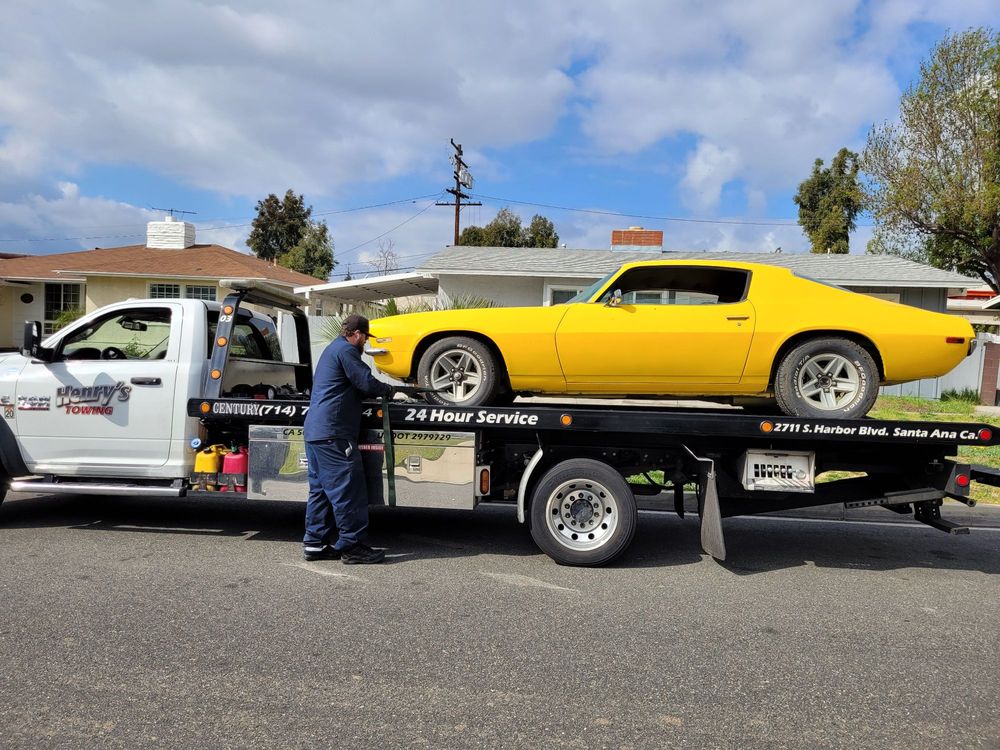
The first call I made was to Henry’s Towing Service, a local towing company in Santa Ana. Within the hour, a flatbed truck arrived, loaded my car without drama, and drove us both to my mechanic across town. That ride gave me a lot of time to think, and a lot of questions to ask once we got there.
The Breakdown That Started It All
My mechanic took one look under the hood and delivered the kind of verdict that feels obvious in hindsight. The serpentine belt had snapped. For anyone who does not know what that is, the serpentine belt is a single continuous belt that drives multiple engine components simultaneously, including the alternator, power steering pump, air conditioning compressor, and water pump.
When it snaps, everything powered by it stops working at once. The battery stops charging. The engine starts overheating. Power steering disappears. And the car, as I discovered firsthand, goes nowhere.
The part itself cost less than thirty dollars. The labor was straightforward. The belt had been showing signs of wear for months, my mechanic told me, with small cracks along the edges that are easy to spot if you know what you are looking for. I had never once looked.
That was the first lesson.

What the Tow Truck Driver Told Me That My Mechanic Confirmed
While we were waiting for the flatbed to finish securing my car, the tow truck driver asked me a few routine questions about the vehicle. Year, make, mileage, whether I had noticed any unusual sounds or smells recently.
I mentioned that the air conditioning had felt weaker than usual over the last few weeks, but that I had assumed it was just the heat. He nodded in a way that suggested he had heard this before.
When you ignore small changes in how your car feels or sounds, he said, you are usually ignoring early warnings. Cars rarely break down without giving some kind of signal first. Most drivers just do not know what signals to look for.
My mechanic said almost the exact same thing when I repeated it to him. The weakening air conditioning was directly connected to the belt that eventually snapped. The system was already under stress. The breakdown was not sudden at all. It had been building for weeks, and I had simply not known how to read it.
That was the second lesson.
What I Learned About My Car in the Days After
Getting stranded has a way of motivating research that nothing else quite manages. In the days after my breakdown, I went through my car more carefully than I ever had before. Here is a short version of what I found and what I wish I had known sooner:
- Belts and hoses have inspection intervals for a reason. Most manufacturers recommend inspecting the serpentine belt every 60,000 to 100,000 miles and replacing it proactively before it fails. I was at 87,000 miles and had never once had it checked.
- Tire pressure affects more than fuel economy. One of my tires was significantly underinflated, which I discovered only because I finally looked. Underinflated tires wear unevenly, reduce braking performance, and in hot Orange County summers can increase the risk of a blowout on the freeway.
- Coolant condition matters as much as coolant level. I had been topping off coolant when the level dropped, but had never flushed the system. Old coolant becomes acidic over time and starts corroding the components it is supposed to protect.
- Battery age is easy to overlook. Car batteries typically last 3 to 5 years. Mine was four years old and had never been tested. My mechanic tested it during the same visit and found it was operating at reduced capacity, especially concerning heading into summer.

The Unexpected Lesson About Emergency Preparedness
Beyond the mechanical education, the breakdown also exposed some gaps in my emergency preparedness that I am embarrassed to admit.
I did not have a roadside emergency kit in the car. No reflective triangles, no flashlight, no water, no phone charger cable. When my battery dropped to 12 percent on the shoulder of a busy Santa Ana road, I realized that the difference between a stressful inconvenience and a genuinely dangerous situation was much smaller than I had assumed.
I also did not have a towing company number saved anywhere. I searched for emergency car towing while sitting on the shoulder with trucks passing at speed, trying to read reviews and compare options on a nearly dead phone. It worked out, but it was unnecessarily stressful, and I made the decision under pressure in a way I would not have if I had done five minutes of research beforehand.
Saving a reliable local contact for cheap roadside assistance before you need it is one of those things that costs nothing and is worth more than you would expect when the moment actually arrives.
What I Do Differently Now
The breakdown cost me a few hundred dollars, a lost afternoon, and a fair amount of stress. In exchange, I got a working knowledge of my own vehicle that I genuinely did not have before and a set of habits I have maintained since.
Every three months, I do a quick visual check of belts, hoses, and tire condition. I have a battery tester on my keychain that cost eight dollars. My car has a proper emergency kit behind the passenger seat. And I have the local towing company in Santa Ana numbers saved in my phone contacts, so I am never searching under pressure again.
None of this is complicated. It just requires paying attention to a machine that you rely on every day, and that will, eventually, ask you to pay attention.

Henry’s Towing Services is available 24 hours a day, 7 days a week across the Santa Ana area. Transparent pricing, no hidden fees, and a team that shows up when you need them. Save the number before you need it.
FAQs
How often should I have my serpentine belt inspected?
Most manufacturers recommend inspection every 60,000 to 100,000 miles. Have it checked at every major service interval and replaced proactively rather than waiting for it to snap. Replacement is far cheaper than the tow and repair that follow a failure.
What are the most common causes of unexpected car breakdowns in Santa Ana?
Dead batteries, flat tires, overheating from coolant issues, serpentine belt failure, and fuel system problems are the most frequent culprits. Most of these have early warning signs that a basic visual check or scheduled service would catch before they leave you stranded.
Should I stay in my car or get out when I break down on a busy Santa Ana road?
If you can safely exit the vehicle and move away from traffic, do so. On the shoulder of a freeway or busy arterial road, staying inside can be more dangerous than stepping behind a barrier. Turn on hazard lights immediately and place reflective triangles behind the vehicle if you have them.
How do I find a trustworthy towing company in Santa Ana quickly?
Save a number before you need one. When searching under pressure on a low-battery phone, you are not making your best decisions. Look for a company with local dispatch, transparent pricing, and 24/7 availability. Checking reviews in advance takes five minutes and eliminates the guesswork entirely.
What should I keep in my car for roadside emergencies?
At minimum: reflective triangles or flares, a flashlight, water, a phone charging cable and portable battery bank, jumper cables or a jump starter pack, and a basic first aid kit. A tire inflator and fix-a-flat can also handle minor flat situations without waiting for a tow.
The Breakdown I Did Not See Coming Turned Into the Car Education I Should Have Had Years Ago
Nobody plans to get stranded on the side of a Santa Ana road on a Tuesday afternoon. But if it happens to you the way it happened to me, the experience does not have to be purely negative. It can be the moment that turns you from a passenger in your own vehicle into someone who actually understands what they are driving.