

Every year brings a fresh wave of home design trends. Some arrive with genuine staying power, rooted in how people actually live, what materials age well, and what spaces feel like to inhabit day after day. Others are little more than social media moments, visually striking in a photograph but hollow in real life, and dated within 18 months of installation.
Table of Contents
Knowing the difference is one of the most valuable skills a homeowner can develop. Because in home design, the cost of following the wrong trend is not just aesthetic. It is financial. Ripping out a kitchen backsplash or replacing a statement floor that no longer feels right is an expensive lesson that a little foresight could have prevented.
Trends That Are Here to Stay
Natural Materials
Natural stone, reclaimed hardwood, hand-plastered walls, raw linen. Materials that come directly from the natural world have been central to great home design for centuries and show no sign of losing relevance. The reason is simple: they age beautifully. A travertine floor looks better after ten years of living than it did on day one. The same cannot be said for a laminate alternative chosen because it was cheaper or more on-trend at the time.
Key natural materials worth investing in:
- Travertine, limestone, and slate for floors and surfaces
- Reclaimed or character-grade hardwood for flooring and joinery
- Hand-plastered or limewashed walls
- Linen, wool, and cotton for soft furnishings
- Aged metals for hardware and fixtures
Integrated Indoor Outdoor Living
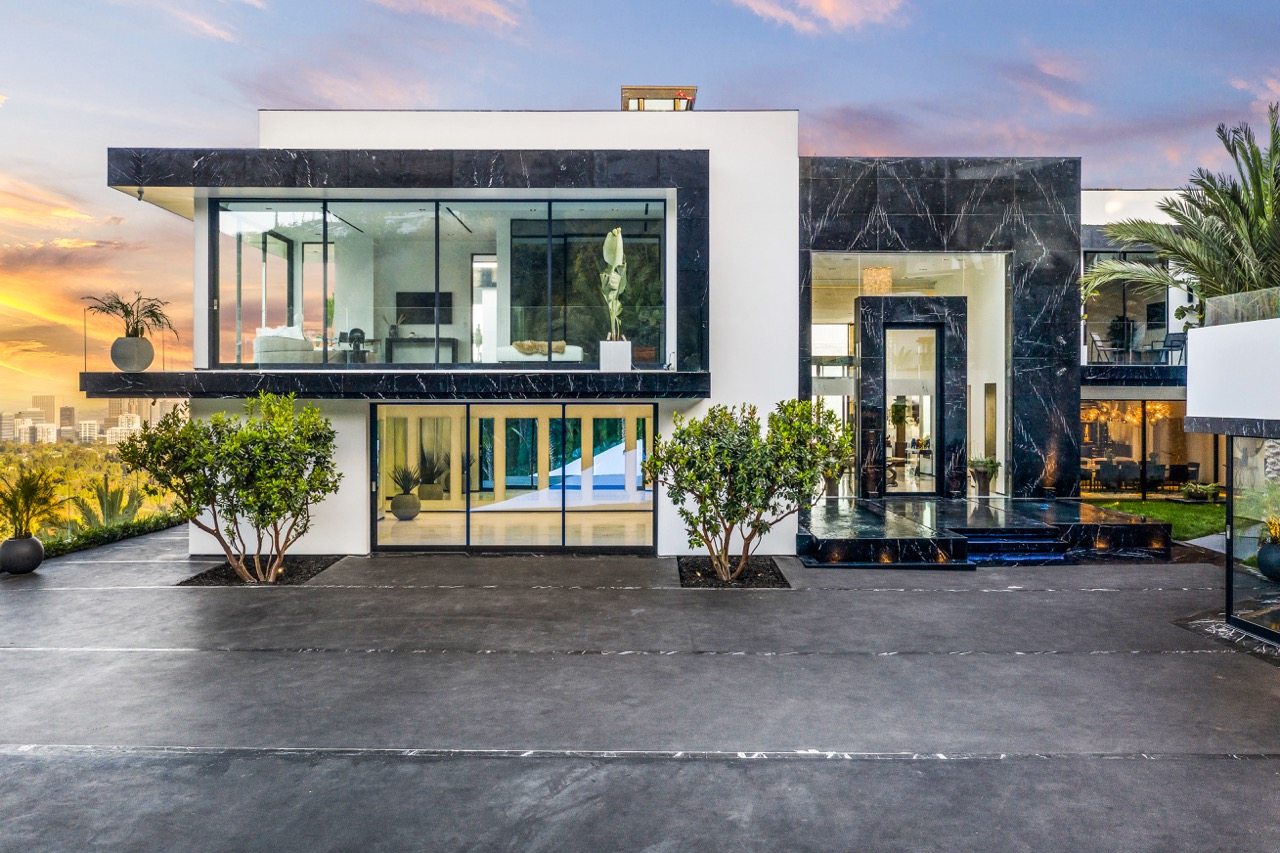
The relationship between interior spaces and outdoor environments has been one of the most significant shifts in home design over the past decade, and it is only deepening. Homeowners across the USA, particularly in California, are increasingly designing their homes as a continuous experience from inside to outside, with materials, sightlines, and spatial flow treated as one unified whole rather than two separate projects.
This is not a trend in the conventional sense. It is a fundamental change in how people think about what a home is, and it reflects a genuinely better way to live.
Warm, Earthy Colour Palettes
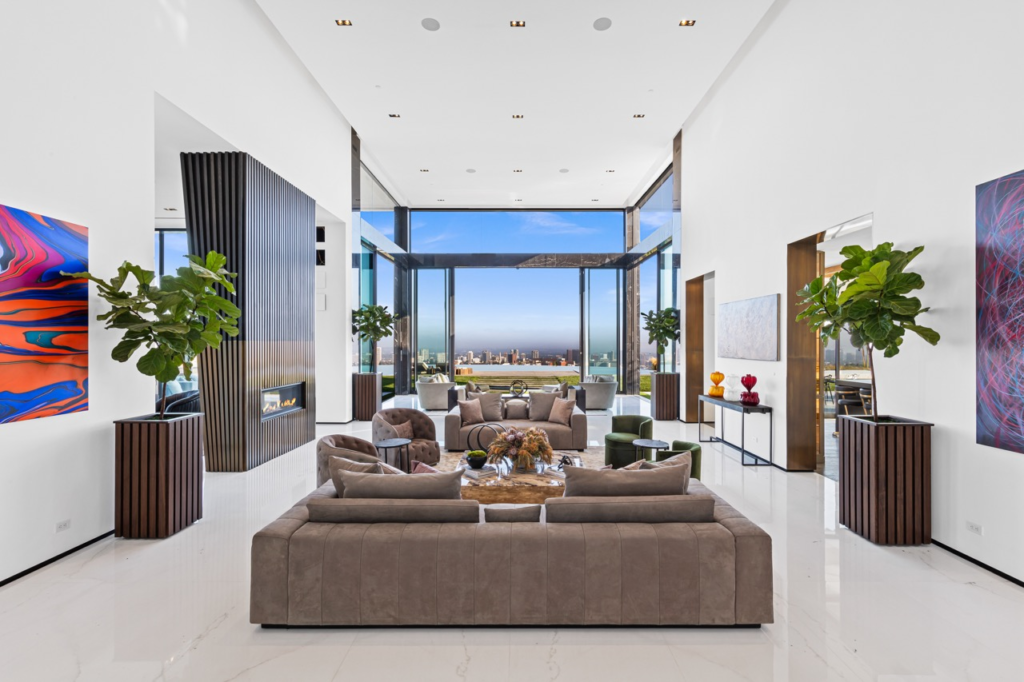
Cool greys and stark whites dominated interiors for the better part of a decade. The shift toward warmer, earthier tones like terracotta, warm sand, deep ochre, sage green, and warm white reflects a broader move toward spaces that feel genuinely welcoming rather than clinically pristine. This direction is grounded in colour psychology and human comfort, not passing fashion, which is why it will outlast the grey era considerably.
Multifunctional Spaces
The way people use their homes has changed permanently. Remote work, home gyms, and dedicated creative spaces. Homeowners are now designing rooms that serve multiple purposes thoughtfully rather than as an afterthought. Built-in storage, flexible furniture systems, and rooms that can transition between uses are all investments that add lasting value.
Handmade and Artisan Elements
Mass-produced perfection is giving way to the visible hand of a maker. Hand-thrown ceramics, bespoke joinery, custom furniture, artisan lighting. These elements bring a sense of authenticity and individuality to a space that no off-the-shelf product can replicate. As more homeowners seek interiors that feel genuinely personal rather than showroom-ready, the value of handmade pieces will only continue to rise.

Click here to book an appointment and select the theme that will be best for your new home. Contact Ali Rad Design now.
Trends to Avoid
All-White Everything
The all-white interior had a long run, and it is over. Beyond the obvious impracticality of maintaining a completely white living environment, all-white spaces tend to feel cold, impersonal, and almost immediately dated in photographs. The homeowners who went all-white in 2015 are the ones quietly repainting today.
Open Shelving in Kitchens
Open kitchen shelving looks beautiful in a styled photoshoot. In real life, it requires a level of curation and maintenance that most households cannot sustain. Dust, grease, and the simple reality of everyday kitchen use mean open shelving almost always ends up looking cluttered within months. Closed cabinetry is not a compromise. It is the smarter long-term choice.
Overly Themed Rooms
A room designed around a single theme, whether nautical, industrial, farmhouse, or any other label, tends to feel like a costume rather than a home. Themes date quickly because they prioritize aesthetic categories over the actual character of the people living in the space. A room built around how you genuinely live will always outlast a room built around a Pinterest board.
Statement Wallpapers as a Main Feature
Bold, graphic wallpapers used as a dominant feature wall or throughout an entire room create an immediate visual impact and an equally immediate design ceiling. Once the novelty wears off, which it invariably does, the wallpaper becomes the thing the entire room is redesigned around. If you love a particular pattern, use it as an accent in a low-risk location rather than committing a primary room to it.
Trendy Hardware and Fixtures
Fixtures and hardware like taps, handles, light switches, and door furniture are often treated as an afterthought in home design. But they are also one of the most expensive elements to replace once installed. Choosing hardware based on what is fashionable right now rather than what is timeless and high quality is a decision most homeowners eventually regret. Brushed brass, aged bronze, and polished nickel have remained relevant for decades. Matte black became oversaturated almost immediately.
The Principle Behind the List
There is a pattern running through every trend worth investing in and every one worth avoiding. The lasting ones are rooted in authenticity, in materials that are what they appear to be, in spaces that reflect how people genuinely live, in design decisions made for quality rather than novelty. The ones to avoid share the opposite characteristic: they prioritize appearance over experience, and the moment the appearance loses its novelty, there is nothing left to sustain them.
The most enduring home design principle is also the simplest: design for the life you actually live, with materials that will age well, in spaces that feel genuinely personal. Everything else is decoration.
Our Other Blogs to Read
What to Know Before Hiring Window Installation Services in Round Rock
Choosing the Right Web Design Partner for Long-Term Success
Asscher-Cut Diamond Rings: For the Bride Who Loves Vintage Glamour
Frequently Asked Questions
How do I know if a design trend will last?
Ask whether it is rooted in how people actually live or purely in how something looks. Trends based on genuine lifestyle shifts and quality materials tend to last. Trends based on social media aesthetics rarely do.
Is it ever worth following a trend in home design?
Yes, if the trend aligns with your personal taste and is executed in quality materials. The mistake is following a trend purely because it is popular rather than because it genuinely suits your home and lifestyle.
What is the safest design approach for a long-lasting interior?
Natural materials, a warm and neutral colour palette, flexible spaces, and handmade or bespoke elements. These are the foundations of interiors that look as right in twenty years as they do today.
How much should I budget for a home renovation to avoid trend-driven regret?
Invest the majority of your budget in the elements that are expensive and disruptive to change, such as floors, walls, structural elements, and fixed cabinetry. Use a smaller portion for elements that can be updated more easily, such as soft furnishings, accessories, and paint. This approach gives you flexibility without compromising the quality of the core investment.
When should I hire a professional interior designer for my home?
Whenever a project involves structural changes, significant investment, or decisions that will be expensive to reverse. A skilled high-end interior designer in Los Angeles or wherever you are located will save you far more than their fee by helping you avoid costly mistakes and make decisions that add lasting value to your home.
Designing a Home That Lasts
The best home is not the one that looks most like this year’s design magazines. It is the one that feels most like you, built on quality materials, considered decisions, and a clear understanding of how you actually want to live in it.
If you are planning a renovation or new interior design project and want guidance from a team with genuine expertise in creating spaces that stand the test of time, Ali Rad Design offers private consultations for homeowners across Los Angeles and Southern California.