
Changing seasons place constant pressure on residential roofs throughout Austin. Extreme heat, direct sunlight, hailstorms, high winds, heavy rainfall, and winter freezes can gradually weaken roofing materials. The durability of asphalt roofing shingles depends on product quality, correct installation, attic airflow, roof design, and regular inspections. Understanding how local weather affects shingle performance helps homeowners spot deterioration early and prepare for roof replacement.
Table of Contents
- How Long Do Asphalt Shingles Usually Last?
- Major Austin Weather Conditions That Affect Shingle Lifespan
- Why Installation Quality Matters in Austin’s Climate
- Signs That Weather Is Aging a Shingle Roof
- Practical Ways to Extend Roof Service Life
- When Should Homeowners Consider Roof Replacement?
- Frequently Asked Questions
- 1. How long do asphalt roofing shingles last in Austin?
- 2. Can Austin’s summer heat cause shingles to crack?
- 3. Should a roof be inspected after every hailstorm?
- 4. Does a darker roof deteriorate faster in hot weather?
- 5. Can replacing damaged shingles extend the roof’s life?
- 6. How does attic ventilation protect an asphalt roof?
- 7. What time of year is suitable for asphalt roofing work?
- Frequently Asked Questions
- Conclusion
How Long Do Asphalt Shingles Usually Last?
Many asphalt shingle products have an expected lifespan of approximately 20 to 30 years. Premium architectural shingles may last longer under favorable conditions. However, these estimates are not guarantees.
A roof that receives direct sunlight throughout most of the day may age faster than one with partial shade and effective attic ventilation. Similarly, a property exposed to repeated hailstorms or high winds may need replacement sooner than expected.
Homeowners considering asphalt roofing in Austin, TX, should evaluate materials according to local climate exposure, impact resistance, wind ratings, ventilation requirements, and warranty conditions. Select the right roofing system for the property, not just based on appearance or initial price.
Major Austin Weather Conditions That Affect Shingle Lifespan
Intense Heat and Prolonged Sun Exposure
Austin summers regularly expose rooftops to intense heat. Since roof surfaces can become significantly hotter than the surrounding air, shingles experience prolonged thermal stress.
Heat gradually dries the oils within asphalt materials. As those oils diminish, shingles can become brittle, less flexible, and more likely to crack. Ultraviolet radiation may also weaken the surface and contribute to fading, deterioration, and premature loss of protective granules.
The effects are cumulative. One hot afternoon may not cause visible damage, but years of repeated exposure can shorten the functional life of asphalt roofing shingles. Lighter colors, appropriate underlayment, balanced ventilation, and suitable shingle products may help reduce heat-related wear.
Rapid Temperature Changes
Roofing materials expand when heated and contract as temperatures fall. Austin can experience considerable temperature changes between hot afternoons, cooler nights, and passing weather systems.
Repeated expansion and contraction can gradually stress shingles, sealant strips, flashing, fasteners, and roof joints. Over time, this movement can contribute to curling, cracking, loose shingles, or weakened seals.
Professional inspections can identify these changes before moisture reaches the roof deck or interior structure.
Hail and Severe Thunderstorms
Hail is one of the most damaging weather threats to an asphalt roof. Its impact can bruise shingles, loosen protective granules, break the mat beneath the surface, or create small fractures that are difficult to see from the ground.
Not every hail mark causes an immediate leak. Damage may initially appear cosmetic while gradually reducing the shingle’s ability to resist water and sunlight. As exposed asphalt ages, affected areas can deteriorate faster.
Following a major hailstorm, homeowners should check for visible warning signs around the property, including:
- Loose granules visible around the property
- Dented or bruised shingle surfaces
- Missing, cracked, or lifted shingles
- Water stains on ceilings or walls
- Damage around roof vents and edges
A qualified inspection is safer and more reliable than climbing onto the roof without suitable equipment.
Strong Winds
Thunderstorms and weather fronts can produce strong wind gusts that lift shingle edges. Once a seal is weakened, later winds may loosen the shingle further or remove it entirely.
Wind damage frequently develops around ridges, eaves, corners, and other roof areas where pressure is highest. Poor nailing, aging adhesive strips, and incorrect installation can increase vulnerability.
Correct fastening patterns and careful workmanship during asphalt roof installation are essential. Installation details influence whether shingles remain secure when strong winds move across the roof.
Heavy Rain and Moisture
Rain usually does not harm a properly installed roof. Problems develop when water reaches existing weaknesses, including damaged shingles, deteriorated flashing, cracked sealant, or exposed fasteners.
Wind-driven rain can enter beneath raised shingle edges. Once moisture reaches the roofing system, it may damage decking, wet insulation, cause mold growth, stain ceilings, or deteriorate interior finishes. Prompt inspections can help identify vulnerable areas before moisture causes more extensive damage.
Humidity and Poor Attic Ventilation
Humidity becomes more damaging when warm, moist air remains trapped inside the attic. Without balanced intake and exhaust ventilation, heat and moisture may accumulate beneath the roof deck.
Excessive attic heat can warm shingles from below while sunlight heats them from above. This two-sided exposure may accelerate aging. Moisture can also affect insulation, wood decking, fasteners, and indoor comfort.
A roofing assessment should consider both exterior materials and attic conditions. Replacing shingles without addressing inadequate ventilation may leave an important source of deterioration unresolved.
Occasional Freezing Weather and Ice
Water that enters small cracks may expand when frozen, making those openings larger. Ice accumulation can also place additional weight on vulnerable roof sections and interfere with normal drainage. Austin is known for heat, but periodic winter freezes can still affect roofing systems.
Materials that have already become brittle due to age or heat exposure may be more vulnerable during cold weather. As temperatures fall, asphalt roofing shingles can crack more easily, while repeated summer heat and winter freezing may accelerate deterioration.
Why Installation Quality Matters in Austin’s Climate
Even durable materials may fail early when installed incorrectly. Poor fastener placement, insufficient underlayment, weak flashing details, inadequate ventilation, and improperly sealed roof penetrations can reduce weather resistance.
Professional asphalt roofing services should include an evaluation of the complete roofing system, not just the visible shingles. Important components include:
- Roof decking
- Water-resistant underlayment
- Flashing around walls, valleys, vents, and chimneys
- Drip edges
- Ridge and intake ventilation
- Correct fastener placement
- Properly sealed roof penetrations
Experienced contractors also follow manufacturer specifications and applicable building requirements. These details can affect performance, safety, and warranty eligibility.
Signs That Weather Is Aging a Shingle Roof
Roof deterioration is not always obvious from the ground. However, several conditions may indicate that weather exposure is affecting performance:
Curling or Raised Edges
Curling can develop as shingles lose flexibility or experience repeated temperature changes. Raised edges are also more vulnerable to wind and rain.
Cracks or Missing Pieces
Cracked, torn, or missing shingles leave the underlying materials with less protection. Damaged areas should be assessed promptly, particularly after a storm.
Excessive Granule Loss
Granules protect shingles from sunlight and physical wear. Some loss is normal, especially on a newer roof, but heavy or uneven loss may indicate aging or impact damage.
Dark Streaks or Organic Growth
Dark streaks on asphalt roofing do not necessarily indicate damage. However, moisture-holding moss, algae, and debris should be removed using gentle methods that protect the shingles.
Interior Water Stains
Discoloration on ceilings or walls may indicate moisture intrusion. The visible stain may be located some distance from the exterior entry point, so a professional assessment is generally necessary.
Practical Ways to Extend Roof Service Life
Weather cannot be controlled, but proactive care can reduce preventable damage.
Arrange Routine Inspections
A roof should generally be inspected periodically and after significant hail, wind, or debris events. Inspections can reveal damaged flashing, lifted shingles, loose components, drainage problems, and deteriorated sealants.
Keep the Roof Surface Free of Debris
Leaves, branches, and other debris can retain moisture against the shingles and interfere with normal water movement. Keeping the roof surface clear helps limit moisture exposure and prevents branches from scratching or damaging the protective shingle granules.
Maintain Nearby Trees
Overhanging branches may scrape shingles or fall during storms. Appropriate tree maintenance can reduce impact damage and limit the accumulation of leaves on the roof.
Improve Attic Ventilation and Insulation
Balanced ventilation helps remove excess heat and moisture. Proper insulation can improve indoor efficiency while reducing extreme temperature swings in the attic.
Monitor Roofing Changes Regularly
Minor changes the roofing can worsen with continued exposure to heat, rain, hail, or wind. Regular inspections help homeowners identify deterioration and plan replacement before moisture reaches the decking, insulation, or interior.
When Should Homeowners Consider Roof Replacement?
Roof replacement may become necessary when shingles are approaching the end of their expected lifespan, widespread deterioration is visible, moisture problems continue, or the roof deck has been affected. Replacing an aging system can provide consistent protection and improve the property’s overall weather resistance.
A professional evaluation should consider the roof’s age, storm exposure, ventilation, moisture conditions, shingle performance, and remaining service life. Genuine Texas Exteriors provides asphalt roofing guidance for property owners in Austin and surrounding Central Texas communities.
Homeowners should also review material and workmanship warranties before planning replacement. Coverage, exclusions, maintenance requirements, and weather-related provisions can vary between manufacturers.
Frequently Asked Questions
1. How long do asphalt roofing shingles last in Austin?
Many asphalt shingles are rated for approximately 20 to 30 years, while some premium materials may last longer. Actual performance depends on installation quality, ventilation, maintenance, sun exposure, and storm damage.
2. Can Austin’s summer heat cause shingles to crack?
Yes. Prolonged heat and ultraviolet exposure can dry asphalt materials and reduce flexibility. Over time, shingles may become brittle, curl at the edges, lose granules, or develop cracks.
3. Should a roof be inspected after every hailstorm?
An inspection is advisable after a severe hailstorm, particularly when nearby properties show damage or granules appear around downspouts. Some impact damage is difficult to identify safely from the ground.
4. Does a darker roof deteriorate faster in hot weather?
Dark shingles generally absorb more solar heat than lighter colors. However, color is only one factor. Ventilation, material composition, roof orientation, insulation, and installation quality also influence roof temperature and aging.
5. Can replacing damaged shingles extend the roof’s life?
Replacement may be appropriate when shingles show widespread curling, cracking, granule loss, missing sections, or repeated moisture problems. The roof’s age and overall condition should also guide the decision.
6. How does attic ventilation protect an asphalt roof?
Balanced ventilation allows hot, moist air to escape while drawing fresh air into the attic. This can reduce heat buildup, moisture accumulation, and stress on the roof deck and shingles.
7. What time of year is suitable for asphalt roofing work?
Roofing work can be completed during several seasons when temperatures, wind, and precipitation allow safe installation. A contractor should select conditions that support proper sealing and follow the shingle manufacturer’s installation requirements.
Conclusion
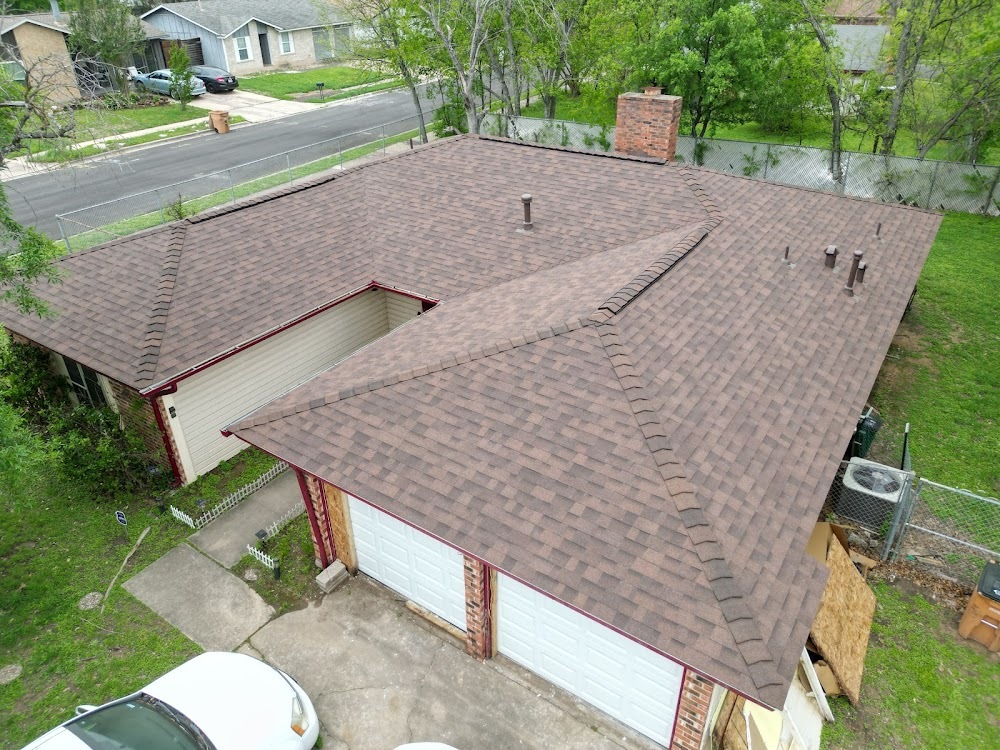
Austin’s intense heat, ultraviolet radiation, hail, strong winds, heavy rain, humidity, and occasional freezing conditions can gradually shorten the lifespan of asphalt roofing shingles. Suitable materials, correct installation, effective attic ventilation, and periodic inspections are essential for long-term performance.
Homeowners who monitor shingle condition and understand the effects of local weather can identify aging materials early, reduce moisture risks, and plan roof replacement at an appropriate time.
Planning a new asphalt roof? View Genuine Texas Exteriors’ Austin location on Google Maps and learn about roofing options suited to your property and local weather conditions.