
Ropes are an essential tool for outdoor enthusiasts, climbers, and survivalists. Whether you’re scaling a mountain, setting up camp, or preparing for an emergency, a strong rope can make all the difference. Choosing a high-quality rope ensures safety, durability, and efficiency. In this guide, we explore the best rope types, their uses, and where to buy a rope that meets your needs.
Table of Contents
Types of Climbing and Survival Ropes
Arborist Rope
Arborist ropes are specifically designed for tree climbing and rigging operations. They combine strength and flexibility to support tree workers and adventurers. These ropes are made to handle the dynamic movements and forces involved in climbing, lowering, and securing loads in tree care. Rigorous testing ensures they meet safety standards, making them a reliable choice for professionals and enthusiasts alike. Whether used for ascending trees, positioning, or securing heavy branches, arborist ropes play a crucial role in maintaining safety and efficiency.

Find the Right Rope for Your Needs
Looking for climbing, arborist, outdoor, or utility rope? Explore RopeHub’s selection of durable rope products designed for a variety of applications.
Recommended Arborist Rope Products
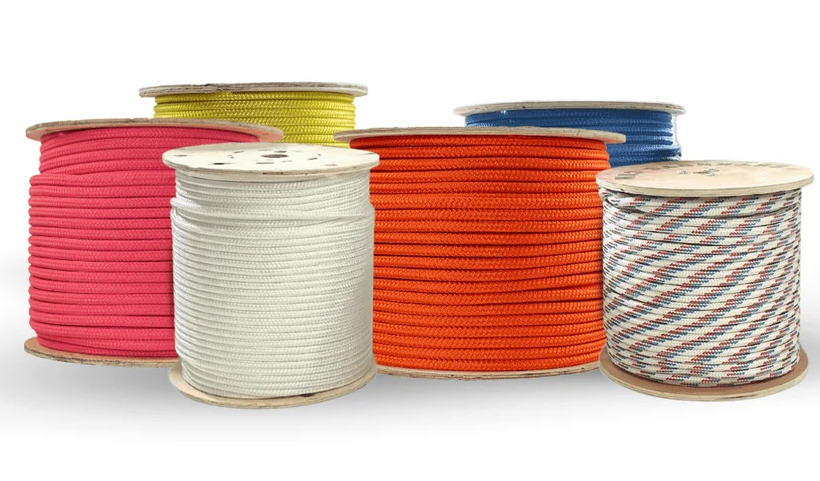
Double Braided Polyester Rope
This heavy-duty double-braided polyester rope is engineered for maximum strength and durability, making it an ideal choice for demanding applications. Designed to withstand extreme weather, UV exposure, and heavy loads, it offers abrasion resistance and minimal stretch for long-lasting reliability. Whether used for outdoor tasks, marine applications, or utility purposes, this rope ensures optimal performance.
Its moisture-resistant construction makes it ideal for nautical use, while its robust strength lets it serve as a tree rope, swing rope, arborist bull rope, flagpole rope, tarp guy line, or game-hanging rope for hunting. The rope comes in various diameters and lengths, so users can choose the right size for their needs. Its bold red, white, and blue color scheme also adds a striking look to any setup.
Key Features:
- Heavy-duty double-braided polyester construction for maximum durability.
- Abrasion-resistant with minimal stretch, ensuring long-term reliability.
- Moisture-resistant, making it ideal for marine and nautical use.
- Versatile applications, including tree work, swings, flagpoles, camping, and hunting.
- Available in multiple diameters and lengths to suit various needs.
- High tensile strength, supporting heavy loads efficiently.
- Patriotic red, white, and blue color option for a bold outdoor aesthetic.
Specifications:
- Diameters Available: 3/8″, 1/2″, 5/8″, 3/4″, 7/8″, 1″, and 1-1/8″
- Lengths Available: By the foot, 25ft, 50ft, 100ft, 150ft, 200ft, and 300ft
- Colors: Blue, White, Red/White/Blue
- Approximate Tensile Strengths:
- 1/2″ = 9,200 lbs
- 5/8″ = 17,000 lbs
- 3/4″ = 21,000 lbs
- 1″ = 33,500 lbs
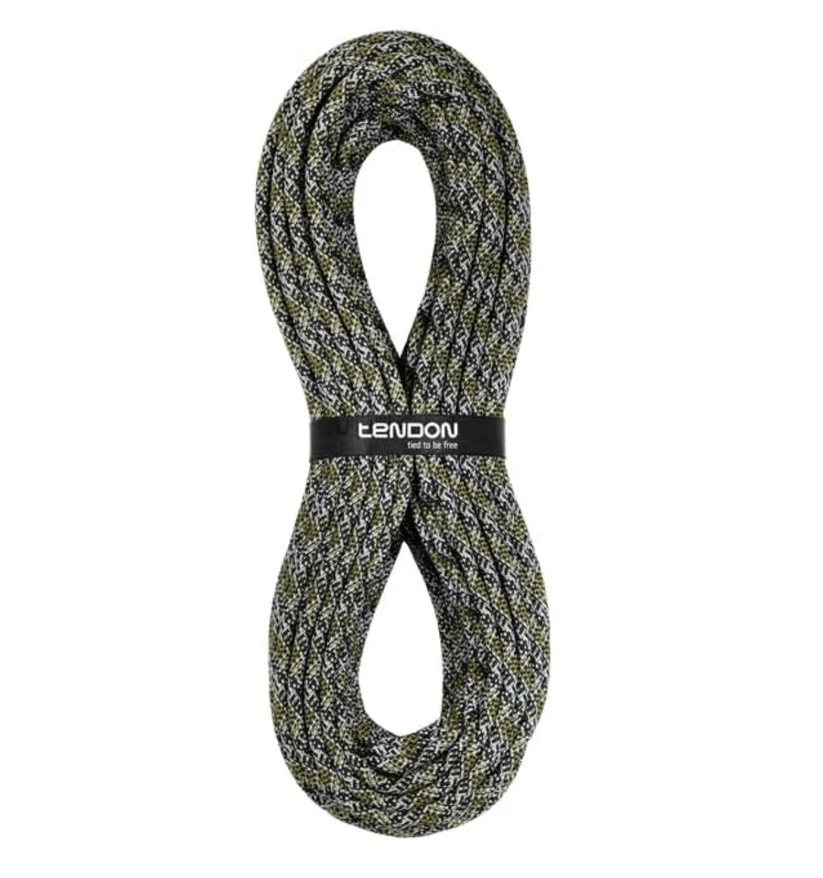
Tendon Static Low-Elongation Polyamide Rope – Camo & Desert Storm
The Tendon Static Low-Elongation Polyamide Rope is designed for applications that require strength, stability, and minimal elongation. Made from durable polyamide, this static rope provides reliable performance when consistent handling and controlled movement are required. The low-elongation construction helps maintain rope stability under load, making it suitable for a range of technical, outdoor, and utility applications.
Available in a distinctive Camo color and a 10MM diameter, this rope combines practical performance with a rugged appearance. Sold by the meter, users can buy the amount they need for their project instead of committing to a fixed-length coil.
Key Features:
- Low-elongation polyamide construction for improved stability under load.
- 10MM diameter suitable for a variety of technical and outdoor applications.
- Static rope design helps provide controlled performance where minimal stretch is preferred.
- Durable construction designed for demanding rope-use environments.
- The camo color provides a rugged look for outdoor applications.
- Available by the meter, offering flexibility when purchasing the required length.
- Versatile use for suitable climbing, rescue, outdoor, utility, and technical rope applications.
Specifications:
- Rope Type: Static, low-elongation rope
- Material: Polyamide
- Diameter: 10MM
- Length: By the meter
- Color: Camo
- Construction: Low-elongation static rope
- Suitable For: Technical, outdoor, utility, and other applications requiring controlled rope movement
Factors to Consider When Choosing a Rope
Strength and Durability
A good rope must have high tensile strength to support weight and withstand wear and tear. Look for a strong rope with reinforced fibers to ensure longevity. Ropes with a high breaking strength can endure sudden shocks and heavy loads without snapping. Additionally, consider ropes with a protective sheath that resists cuts and abrasions, especially when working around rough bark or sharp edges. Investing in a durable rope reduces the risk of failure and enhances safety during climbing or rigging tasks.
Rope Material
Different materials offer different benefits. Nylon ropes provide elasticity and shock absorption, while polyester ropes resist moisture and abrasion. Nylon ropes are ideal for climbing since they stretch slightly to absorb impact, reducing strain on the user and equipment. On the other hand, polyester ropes stretch little, making them excellent for rigging and securing loads with minimal movement. Some modern arborist ropes blend both materials, combining the advantages of each to enhance overall performance and reliability.
Rope Diameter and Length
A rope’s thickness and length affect how you use it. Thicker ropes offer greater strength, while thinner ropes provide flexibility and lightweight handling. A standard climbing rope diameter ranges from 11mm to 13mm, balancing durability and ease of grip. Longer ropes are needed for taller trees, while shorter ropes are easier to manage in controlled environments. The right diameter and length depend on intended use, load weight, and personal comfort.
Weather Resistance
If you plan to use your rope in extreme conditions, make sure it resists UV rays, moisture, and temperature changes. Sunlight can degrade certain materials over time, weakening the rope’s integrity. Ropes with UV-resistant coatings last longer and maintain their strength despite prolonged outdoor use. Moisture-resistant ropes prevent water absorption, which can lead to mildew, mold, or freezing in cold weather. Investing in a weather-resistant rope ensures consistent performance in all conditions, from humid forests to dry, sun-exposed environments.
Where to Buy a Rope
Finding the right rope requires shopping from a reliable source. Whether you need a utility rope for general use or a high-performance climbing rope, compare options before you buy. Outdoor supply stores, specialty rope shops, and online marketplaces offer many options.
Maintenance and Care Tips for Ropes
Cleaning
Wash your rope regularly with mild soap and water to remove dirt and debris. Avoid harsh chemicals that can weaken the fibers. After washing, thoroughly rinse and air-dry your rope in a shaded area to prevent material degradation. Keeping your rope clean prevents grit and particles from damaging the fibers, prolonging its life and maintaining performance. Regular cleaning also helps you spot hidden damage early, keeping the rope safe for future use.
Storage
Store your rope in a cool, dry place away from direct sunlight. Proper storage prevents degradation and extends your rope’s lifespan. Coil your rope neatly and keep it in a breathable rope bag or container to protect it from dust, moisture, and pests. Avoid placing heavy objects on stored ropes, as prolonged compression can reduce flexibility and strength. Proper storage ensures your rope remains in optimal condition and ready for use whenever needed.
Inspection
Always check your rope for signs of wear, fraying, or damage before use. If a rope shows significant wear, replace it to ensure safety. Look for signs such as fuzziness, cuts, flat spots, or discoloration, which can indicate structural weakness. Running your hands along the rope allows you to feel for hidden damage that may not be visible. Regular inspections help prevent accidents and ensure that your rope maintains its load-bearing capacity over time.
Where Can You Find Reliable Rope Suppliers?
Looking for a trusted rope supplier? Many dealers offer a variety of ropes for different needs, including outdoor, industrial, and survival use. You can find them at online marketplaces, outdoor gear stores, and local hardware shops. Always choose reputable sources to ensure quality and durability.
FAQs
What is the best rope for tree climbing?
Arborist ropes, such as double-braided polyester or climbing ropes with a polyester cover and nylon core, offer strength, flexibility, and durability for safe climbing.
How do I choose the right rope diameter and length?
Thicker ropes provide more strength, while thinner ones offer flexibility. Standard climbing ropes range from 11mm to 13mm, with length depending on your climbing height.
Is polyester or nylon better for climbing ropes?
Nylon ropes have elasticity for shock absorption, while polyester ropes are low-stretch and moisture-resistant, making them ideal for rigging and wet conditions.
How do I maintain and store my climbing rope?
Clean with mild soap and water, air-dry in shade, and store in a cool, dry place away from sunlight to prevent degradation.
When should I replace my climbing rope?
Replace your rope if you notice fraying, cuts, flat spots, or significant wear, as these can compromise safety and performance.
Conclusion
Choosing the right rope for climbing adventures and survival situations is crucial for safety and efficiency. Whether you need a strong rope for rock climbing, a utility rope for emergency preparedness, or a high-quality rope for outdoor activities, understanding the different types and their applications will help you make an informed decision. When purchasing a rope, consider factors like strength, material, and weather resistance.